

California recorded 4,061 traffic fatalities in 2023, according to the California Office of Traffic Safety. Behind those numbers are crashes involving speeding, impaired driving, distraction, and other forms of negligent conduct that can leave families facing both a devastating loss and difficult legal questions.
Understanding what caused a fatal crash matters because evidence of speeding, impairment, or distraction can help establish who was responsible. It can also affect a family’s ability to pursue a wrongful death claim against the driver or another party whose conduct contributed to the collision.
What Are the Leading Causes of Traffic Fatalities in California?
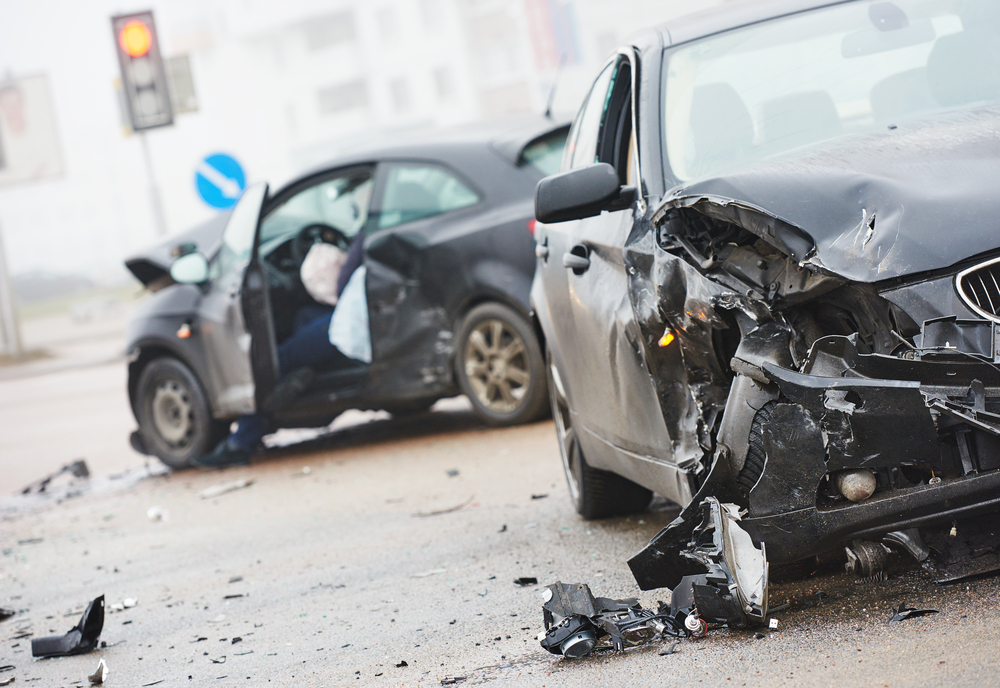
California’s most recent finalized crash data identifies several major contributors to fatal collisions. Speeding and alcohol-impaired driving are among the largest documented causes, while distracted driving remains a significant concern that can be more difficult to measure after a crash.
Speeding
Speeding reduces the time a driver has to react and increases the force involved in a collision.
The severity of a crash also tends to increase as vehicle speed rises. A collision involving excessive speed can therefore result in catastrophic injuries or death, particularly when the impact occurs at an intersection, on a freeway, or between vehicles of significantly different sizes.
Evidence such as vehicle damage, crash reconstruction, roadway conditions, witness statements, and available electronic data may help establish whether speed contributed to a fatal collision.
Alcohol-Impaired Driving
Alcohol impairs judgment, coordination, reaction time, and the ability to respond appropriately to changing traffic conditions. In 2023, alcohol-impaired driving contributed to 1,355 traffic deaths in California, making it the largest documented category in the state’s traffic fatality data.
A driver who causes a fatal crash while impaired may face criminal consequences in addition to civil liability. For the victim’s family, evidence of intoxication can also be important when determining how the collision occurred and who may be legally responsible.
Distracted Driving
Distracted driving occurs when a driver’s attention is diverted from operating the vehicle. Texting, using a phone, eating, adjusting navigation, or reaching for an object can all interfere with a driver’s ability to respond to traffic conditions.
The actual impact of distraction may be difficult to measure because there is often no definitive evidence showing what a driver was doing immediately before a collision.
That does not make distraction irrelevant to a wrongful death investigation. Phone records, witness statements, vehicle data, surveillance footage, and other evidence may help establish whether distracted driving contributed to the crash.
Speeding, impairment, and distraction can also overlap. A driver may be speeding while using a phone or driving while impaired, making the evidence surrounding the crash particularly important.
What Happens When Someone Dies in a California Car Accident?
California follows a fault-based system for car accident claims. When another driver’s negligence causes a fatal collision, the surviving family members may have grounds to pursue a wrongful death claim.
California’s minimum auto liability insurance limits are currently $30,000 per person and $60,000 per accident for bodily injury, plus $15,000 for property damage for policies issued or renewed on or after January 1, 2025. These limits are established under California Vehicle Code § 16056.
Insurance coverage, however, does not necessarily determine the full value of the losses resulting from a fatal collision. A family may need to evaluate available insurance, the responsible parties, and the damages permitted under California’s wrongful death laws.
Comparative Negligence in California Fatal Crash Claims
California follows a pure comparative negligence system. A person’s recovery can be reduced according to their percentage of responsibility for an accident.
This rule can also become relevant in a wrongful death claim. Under CACI No. 407 (Comparative Fault of Decedent), if evidence shows that the person who died shared some responsibility for the collision, that finding may reduce the damages recoverable by the surviving family members. It does not necessarily prevent a claim altogether.
What Evidence Can Establish Fault After a Fatal Crash?
The cause of a fatal collision may not be obvious from the accident scene alone. Evidence can help establish what happened and whether another driver’s conduct amounted to negligence.
Depending on the circumstances, relevant evidence may include:
- Police reports and crash investigations
- Statements from eyewitnesses
- Traffic or security camera footage
- Vehicle damage and photographs from the scene
- Accident reconstruction evidence
- Cell phone or electronic records
- Toxicology or blood-alcohol testing
- Vehicle data and other available electronic evidence
- Medical and funeral records
- Documentation of the financial losses caused by the death
Preserving this evidence early can matter because physical evidence can disappear, surveillance footage may be overwritten, and witness recollections can become less reliable over time.
How Long Do You Have to File a Wrongful Death Lawsuit in California?
California generally gives surviving family members two years from the date of death to file a wrongful death lawsuit. California Code of Civil Procedure § 335.1 establishes the applicable two-year limitations period for wrongful death actions.
The deadline can depend on the circumstances of the case, and other rules may apply in certain situations. Families should therefore avoid assuming that they have the full two-year period to investigate a claim or preserve evidence.
FAQs About Traffic Fatalities in California
Is It Worth Hiring an Attorney After a Fatal Car Accident in California?
An attorney can investigate the collision, identify potentially responsible parties, preserve evidence, evaluate available insurance coverage, and assess the damages that may be available under California law. Legal representation can also help a family understand the claims process while dealing with the practical and financial issues that follow a death.
How Much Is a California Wrongful Death Claim Worth?
The purpose of a wrongful death claim is to compensate the family of the decedent for their loss of affection, care, and guidance provided by the deceased, the loss of the financial support the deceased provided, and the cost of funeral and burial expenses. The victim’s family may also qualify to file a survival action if the deceased did not die immediately in the accident and their estate incurred damages such as medical treatment costs and lost income. Your attorney can help you calculate the damages available from your claim.
Does California Have a No-Fault or Fault-Based Car Accident System?
California is a fault-based state rather than a no-fault state. Generally, the person whose negligence caused the crash may be responsible for the resulting damages. Determining fault requires examining the evidence surrounding the collision, including the conduct of each driver and any other circumstances that contributed to the accident.
What If the At-Fault Driver Does Not Have Enough Insurance?
If the responsible driver has insufficient insurance or no insurance, an injured person or surviving family member may be able to pursue compensation through uninsured or underinsured motorist coverage, if applicable. The available options depend on the insurance policies involved and the specific circumstances of the collision.
Do I Need a Police Report to File a Claim After a Fatal Accident?
A police report is not always required to pursue an insurance claim, but it can provide important information about the collision and the investigating officer’s findings. Other evidence may also be necessary to establish how the crash occurred and who was responsible.
Can Speeding or Distracted Driving Affect Fault in a Wrongful Death Case?
Yes. Evidence that a driver was speeding, distracted, impaired, or otherwise violating traffic laws can support a finding of negligence. The importance of that evidence depends on the facts of the collision and whether the conduct contributed to the death.
Discuss a California Wrongful Death Claim With Easton & Easton
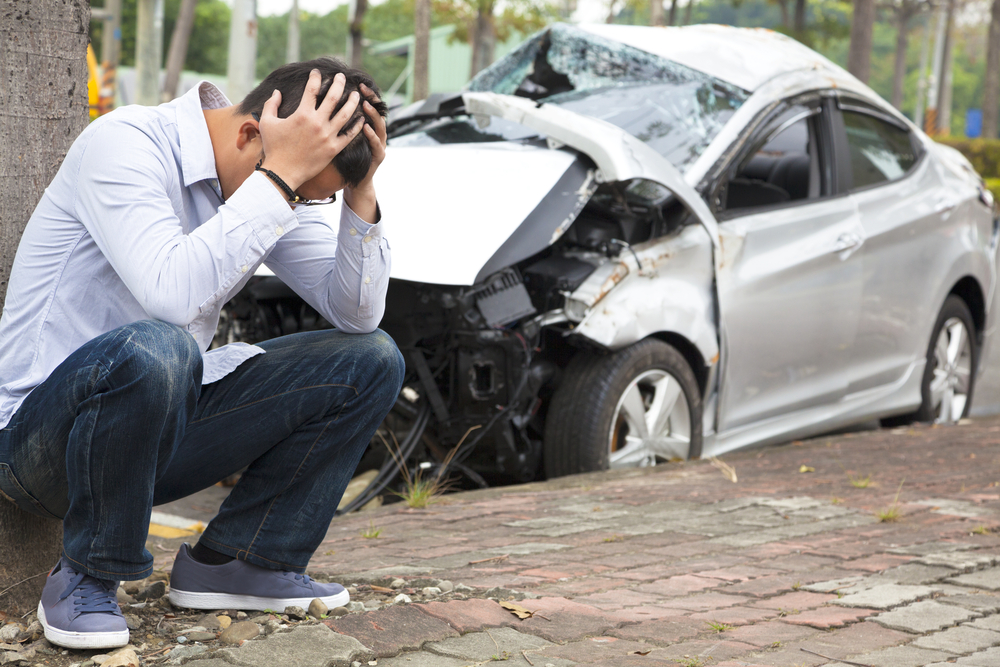
Losing a family member in a traffic collision creates legal issues that can be difficult to address while you are grieving.
The cause of the crash, available insurance, evidence of negligence, and applicable deadlines can all affect the legal options available to your family.
Easton & Easton represents California clients in motor vehicle accident and wrongful death matters. If another driver’s conduct caused a fatal collision, our attorneys can review the circumstances, explain the claims process, and help you understand what options may be available.
Contact Easton & Easton to schedule a consultation with an experienced Orange County wrongful death attorney.


 ES
ES