

Aliso Viejo Clergy Sexual Abuse Lawyer








Aliso Viejo Clergy Sexual Abuse Attorney
An Aliso Viejo clergy sexual abuse lawyer advocates for survivors of abuse carried out in religious or faith-based settings. Clergy abuse claims may encompass severe violations of trust, power imbalances, and institutional cover-ups or negligence. Civil legal claims can offer survivors a means to hold accountable not only the individual clergy member, but also the religious organizations that facilitated or ignored the abuse.
Easton & Easton provides legal support to survivors in Aliso Viejo with a commitment to thorough evaluation, discretion, and an understanding of institutional accountability under California law.
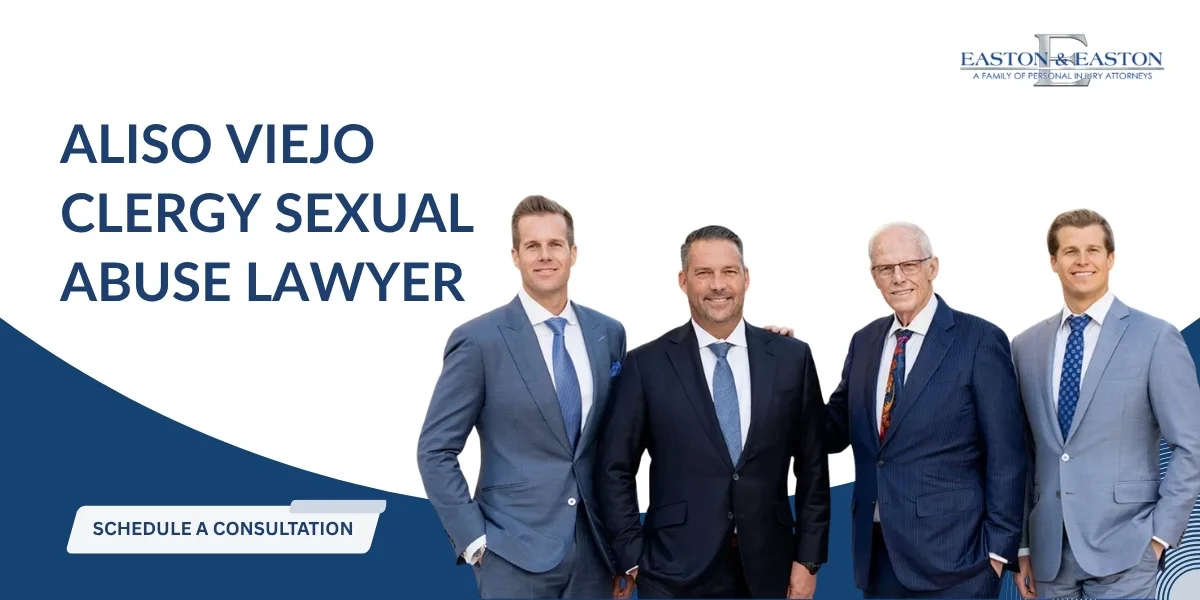
Hire a Clergy Sexual Abuse Lawyer
The attorneys at Easton & Easton have more than 100 years of combined experience in handling complex civil litigation cases involving sexual abuse and institutional misconduct. We represent survivors in complex cases that demand a thorough understanding of internal reporting protocols, institutional policies, and historical documentation.
Known for our evidence-based approach and sensitive handling of these matters, our firm is committed to justice. Our attorneys have been recognized as Super Lawyers and Best Lawyers in high-stakes civil litigation in Orange County.
Civil Liability of Religious Institutions in Clergy Abuse Cases
Sexual abuse claims can also name religious organizations and institutions that failed to intervene or prevent clergy sexual misconduct. In California, civil claims can be brought against institutions that had control, authority, or supervisory responsibility over a clergy member and failed to use reasonable care to prevent harm to a member of a congregation.
Under California Civil Code § 1714, institutions have a duty to exercise reasonable care to prevent foreseeable harm. Civil claims may question whether complaints were disregarded or not followed up on, whether internal discipline was not effective, or whether known dangers were hidden. Institutions may be held civilly liable when their actions or failures to act allowed abuse to take place or to continue in a religious organization.
Historical Abuse, Concealment, and Delayed Disclosure in Clergy Cases
Clergy sexual abuse cases often include abuse that took place many years or decades in the past. The evidence in multiple cases reveals that authorities were never informed about the offender.
In some cases, allegations have surfaced that clergy members were reassigned within an organization following internal investigations rather than reported to authorities. This is often following a period of internal church investigations, which are now described by abuse survivors as having been efforts to conceal the offense.
In many cases, the delay in disclosure can be attributed to many factors, including fear, deference to the offender’s spiritual authority, or sometimes direct pressure by the institutions in which they operated. Research has indicated that 93% of victims who are under 18 know their abuser. This can play a role in the courts’ assessment of delayed reporting and credibility.
In civil litigation, historical records, past complaints, and the response of institutions can be reviewed to assess whether concealment or lack of response allowed for the continuation of abuse.
Power, Authority, and Duty of Care in Clergy Relationships
Clergy hold roles of power that establish special legal responsibilities to members, especially children and vulnerable adults. The courts consider how the power dynamic, spiritual authority, and access created an opportunity for foreseeable abuse. Clergy abuse claims filed in Aliso Viejo are heard in Orange County Superior Court, and judges consider whether the religious entity maintained proper oversight and safeguards.
Civil litigation examines the enforcement of boundaries alongside the implementation of supervision and reporting systems. The focus is on how authority was used and if reasonable measures were in place to protect those in a position of trust.
FAQs
Can a Survivor Pursue a Claim if the Clergy Member Has Died or Left the Ministry?
Even if the clergy member is deceased, has moved, or is no longer in ministry, a civil claim may still be an option. Liability may be based on the actions of the institution, such as its decisions regarding retention and supervision, and its handling of previous complaints.
Often, these types of claims are brought against the organization itself or its insurer, instead of the direct perpetrator. The legal process must establish potential defendants alongside any possible insurance coverage.
How Do Attorneys Obtain Evidence in Clergy Abuse Cases When Records Are Controlled Internally?
Clergy abuse litigation frequently implicates records maintained by a church or other religious institution, including personnel records, internal communications, and records of complaints. Civil litigation mechanisms, such as subpoenas, document requests, and depositions, may be employed to seek evidence from the religious institution.
Protective orders can also be requested from the court to address any confidentiality issues implicated by the discovery process. If relevant documents may be destroyed or become unavailable, organizations should take timely preservation actions.
Can Civil Claims Proceed Without Church Cooperation?
Civil clergy abuse claims are not subject to voluntary cooperation with a religious organization. When records or testimony by clergy or church officials are relevant to the litigation, civil discovery can be used to compel the production of records and testimony by the target party through subpoenas and court discovery orders.
Judicial oversight of the evidence-gathering process can provide a check against an unbridled review of potentially sensitive evidence.
What Does Research Show About the Age of Victims in Clergy Sexual Abuse Cases?
Research helps illustrate how early abuse often begins in clergy sexual abuse cases. According to a peer-reviewed study archived by the US National Library of Medicine, approximately 66.7% of identified clergy abuse victims were 13 years old or younger at the time of first abuse, with a mean victim age of 12. This data underscores the vulnerability of minors and the importance of institutional safeguards in religious settings.
Contact an Aliso Viejo Clergy Sexual Abuse Lawyer
Sexual abuse by clergy is a particularly egregious form of abuse and, in many instances, an abuse of the system and the institution as well. Victims of sexual abuse and their families come to the civil justice system not only to bring accountability to individual wrongdoers, but also to right the wrongs of the institutions and their practices that tolerated or even enabled their criminal behavior.
The legal standards for proof and the underlying factual issues in these cases can be complicated. These cases require a firm that understands the critical facts and can present them appropriately for matters that demand high sensitivity. It is only through civil claims that the institutions and their practices are exposed.
At Easton & Easton, we are dedicated to working with survivors in Aliso Viejo and elsewhere in California to provide confidential, comprehensive legal representation to seek justice and accountability. Schedule a consultation with our team today to hire a clergy sexual abuse lawyer.

Your Story Is Important To Us.
CALL US SO WE CAN HEAR IT.
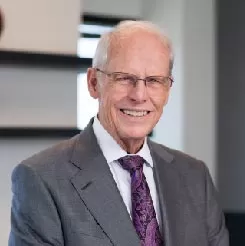
“We look for the human story behind every injury or wrongful death. We prepare our cases for trial; reaching out to the jury with the most compelling evidence possible for the best verdict possible. Insurance companies know this and come to the table prepared to negotiate in good faith. Call us to see how we can turn your story into fair compensation.”
Partner W. Douglas Easton
What Our Clients Say
“Client testimonials reflect individual experiences; results vary. No guarantee of outcome.”
Contact
Contact

 ES
ES